
自己紹介・研究目的
令和7年10月入学/ ■SPRING事業 採択学生紹介
認知・情動脳科学専攻
令和7年10月 大学院入学
Alaa Mohamed Magdy Akl Salem
アラア モハメド マゲディ アクロ サレモ
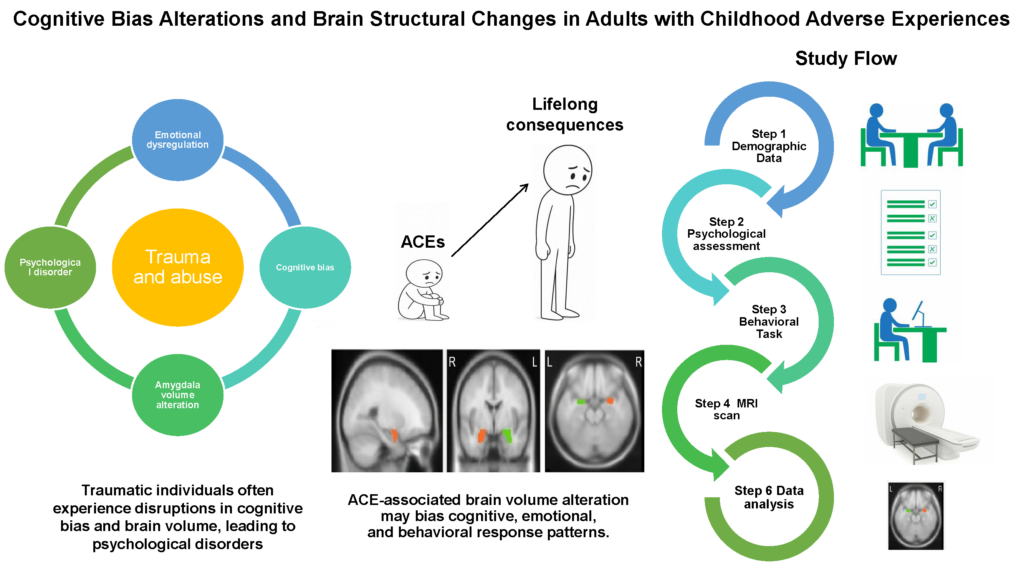
Cognitive Bias Alterations and Brain Structural Changes in Adults with Childhood Adverse Experiences
My name is Alaa Salem, and I am a Ph.D. student at the Graduate School of Pharma-Medical Sciences, University of Toyama, in the Department of Cognitive and Emotional Neuroscience.
Childhood experiences play a critical role in the period of emotional, behavioral, and cognitive development. However, Adverse Childhood Experiences (ACEs), such as trauma and abuse occurring before the age of 18, can disrupt these developmental processes and can have a long-life effect on the brain, thereby increasing the risk of developing psychiatric disorders in adulthood, such as posttraumatic stress disorder (PTSD) and major depressive disorder (MDD). These effects may arise through alterations in emotion-related brain regions, particularly the amygdala and hippocampus, as well as disruptions in cognitive processing towards emotional stimuli. However, the biopsychological links between ACEs, brain volume, and cognitive bias remain unclear.
This study investigates the relationship between childhood abuse, cognitive bias, and amygdala/hippocampal volume. We assess participants’ psychological status, cognitive biases, and brain volumes, using demographic data, psychological tests, behavioral experiments, and structural magnetic resonance imaging.
This research aims to clarify the mechanisms underlying vulnerability and resilience, and to identify neurobiological markers that inform early detection and effective intervention strategies. The findings will contribute to advancing trauma-related mental health practices and early prevention.
Childhood experiences play a critical role in the period of emotional, behavioral, and cognitive development. However, Adverse Childhood Experiences (ACEs), such as trauma and abuse occurring before the age of 18, can disrupt these developmental processes and can have a long-life effect on the brain, thereby increasing the risk of developing psychiatric disorders in adulthood, such as posttraumatic stress disorder (PTSD) and major depressive disorder (MDD). These effects may arise through alterations in emotion-related brain regions, particularly the amygdala and hippocampus, as well as disruptions in cognitive processing towards emotional stimuli. However, the biopsychological links between ACEs, brain volume, and cognitive bias remain unclear.
This study investigates the relationship between childhood abuse, cognitive bias, and amygdala/hippocampal volume. We assess participants’ psychological status, cognitive biases, and brain volumes, using demographic data, psychological tests, behavioral experiments, and structural magnetic resonance imaging.
This research aims to clarify the mechanisms underlying vulnerability and resilience, and to identify neurobiological markers that inform early detection and effective intervention strategies. The findings will contribute to advancing trauma-related mental health practices and early prevention.